

How to Write an Oxbridge-Worthy Chemistry Personal Statement: Our Ultimate Guide
Writing a personal statement is a very daunting task, it can seem like the be-all and end-all of your university application. In this post, Oxford PhD Chemistry researcher and 1st Class Oxford Chemistry graduate, Zoe, outlines how to structure your personal statement, as well as discuss the do’s and don’ts when it comes to a Chemistry personal statement. We have also provided an example Chemistry Personal Statement for those looking for inspiration.
Four Top Tips for a Successful Chemistry Personal Statement:
When applying to the top universities such as Oxford and Cambridge or other Russell Group universities, your Chemistry personal statement is not going to be the single factor determining the success of your application. In that sense, there is no need to spend hours curating the ‘perfect’ personal statement - interview preparation and school grades will have a much stronger weighting in the eyes of the admissions office. That being said, a poorly written personal statement can negatively impact your chances and you’ll want to make sure you have avoided common pitfalls and checked all the boxes for a successful application.
Below I’ll discuss key things your Chemistry UCAS personal statement should include, along with common mistakes people make when trying to impress.
Convey your genuine interest for the subject in your Chemistry personal statement
This should be the first paragraph and clearly indicate why you want to study Chemistry.
- Don’t write clichés such as ‘I’ve wanted to be a chemist since I was 4 years old’ - they want to know what motivates you now.
- Do be yourself and talk about what you genuinely find interesting and what got you motivated to study Chemistry in the first place e.g. at A-level (you don’t gain points for having stated to like Chemistry at an earlier age). Demonstrate your enthusiasm for chemistry by discussing what motivated you to study the subject, such as a particular experiment or a fascinating discovery
2. Use your Chemistry Personal Statement to demonstrate your skills and motivation
Paragraphs 2 and 3 form the bulk of your personal statement and should be used to demonstrate that you have the skills and motivation to succeed in pursuing Chemistry at the highest level. Don’t get carried away, focus on one or two key examples that demonstrate your commitment to the subject.
- Don’t lie in your Chemistry Personal Statement – this may seem obvious, but don’t mention books you haven’t read or experiments you haven’t done just to sound clever; this is the easiest way to get caught out in an interview. Tutors are not expecting you to know the whole 1st year undergraduate course and they will be well aware if you pretend you have.
- Do include any research or reading you have done which shows commitment to the subject in your Chemistry UCAS personal statement. All they want is for you to show you have taken the time to go beyond the standard A-level syllabus, be that by reading books, keeping up with the literature or even attending talks or visiting an interesting exhibition at a museum. There is no right way to show interest in the subject! Highlight your academic achievements in Chemistry, including any relevant coursework, research projects, or awards that showcase your skills and knowledge
3. Highlight skills in your Chemistry Personal Statement that show your suitability for the course
This should the final paragraph and should be a couple of sentences at most concluding your Chemistry Personal Statement. Showcase these skills, such as your ability to think critically, work collaboratively, and problem-solve, which are essential for success in the field of Chemistry.
- Don’t mention extra-curriculars that are not directly relevant to the course. 4000 characters is not a lot and you do not want to waste space in your Chemistry personal statement on things that tutors will not even consider
- Do include any extra-curriculars that demonstrate either proficiency and commitment to the subject (e.g., Chemistry Olympiad) or extra-curriculars that will show you are suited to high-paced and demanding environments such as Oxford or Cambridge (e.g. sports or activities that required significant dedication and skills such as time-management)
4. Be concise and focused
Keep your Chemistry Personal Statement concise and focused, with a clear structure and well-defined paragraphs. Finally, proofread your personal statement carefully to ensure that it is free of errors and flows smoothly. Consider asking someone else to read it and provide feedback before submitting your application.
Are You Looking For a Russell Group or Oxbridge Chemistry Personal Statement Tutor?
Our Chemistry tutors are brilliant at supporting students through all elements of the personal statement writing process, including the initial wider research and drafting process. They offer reading and research suggestions and can provide feedback on personal statement drafts to ensure your Chemistry personal statement makes you stand out. Visit our Personal Statement page or book a free consultation to discuss how we can support.
Demonstrating Interest Beyond the A-level Curriculum in your Chemistry Personal Statement
You may feel overwhelmed when it comes to searching beyond the A-level course. Chemistry is a huge subject so how do you find the best, most interesting things to read and talk about?
The short answer is you can’t. There is not right or wrong book to read just as there is no right or wrong thing to be interested in. The breadth of most Chemistry courses highlights this very fact – you can be interested in whatever area of Chemistry you want, and its completely okay if this ends up being a different area to your interviewer! In fact, you are more likely to invest time into learning new content, and thus are more likely to effectively demonstrate your skills if you have chosen something you are genuinely interested in. So, don’t spend ages trying to find the ‘right’ area to research but do pursue your actual interests!
Below are just a few examples of ways in which you can engage with chemistry outside of the classroom, but it is by no means an exhaustive list. So, if you find something else that sparks your interest then by all means, go with that!
Books You Could Mention in Your Chemistry Personal Statement:
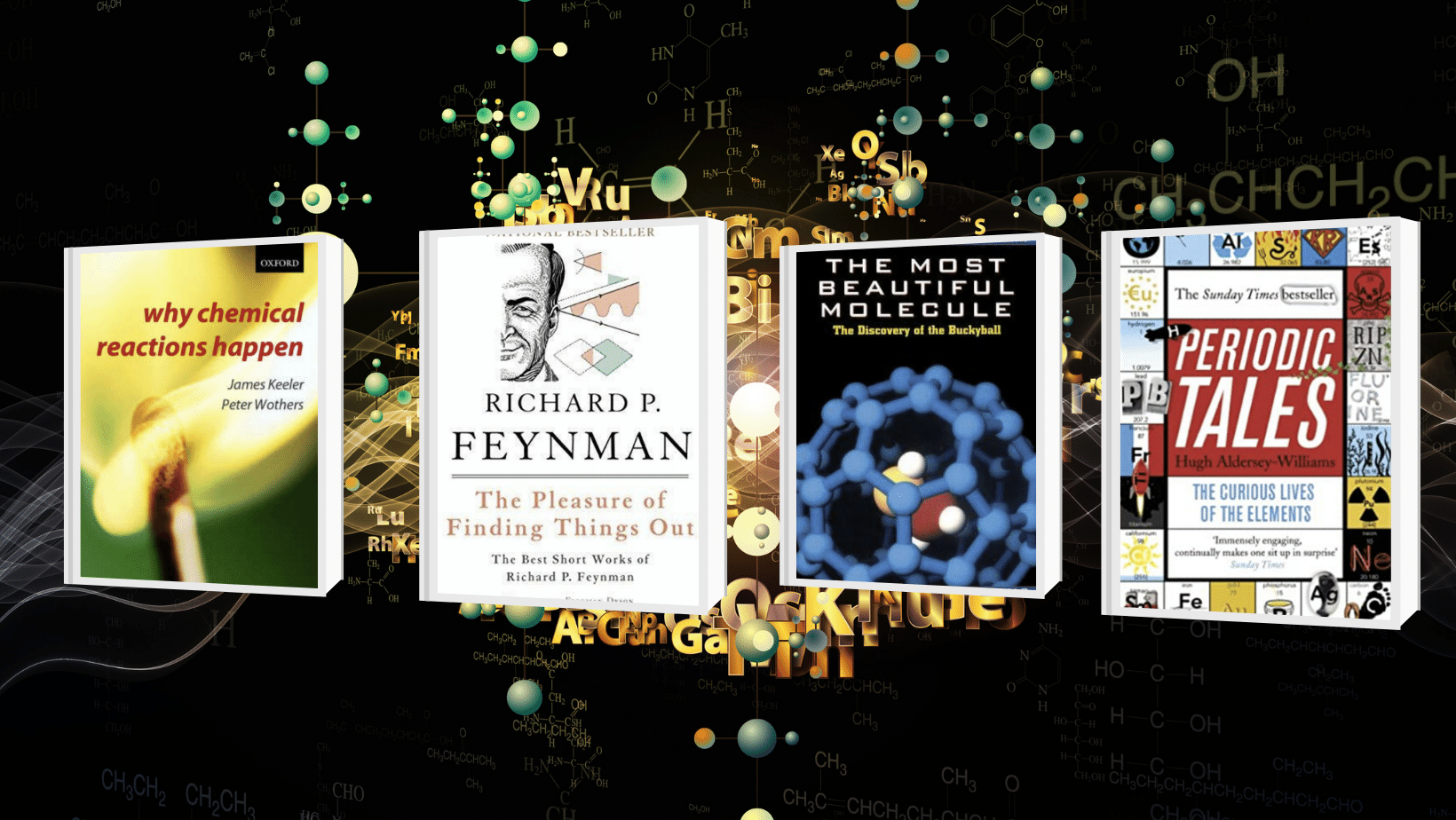
Why Chemical Reactions Happen – James Keeler*
The Pleasure of Finding Things Out – Richard Feynman
The Most Beautiful Molecule – Hugh Aldersey-Williams
Periodic Tales - Hugh Aldersey-Williams
The Disappearing Spoon – Sam Kean
Napoleon's Buttons – Jay Burreson and Penny Le Couteur
*A very good introduction to some 1st year undergraduate topics but also a pretty big cliché so I would avoid having this as the main book in your personal statement
Chemistry Podcasts:
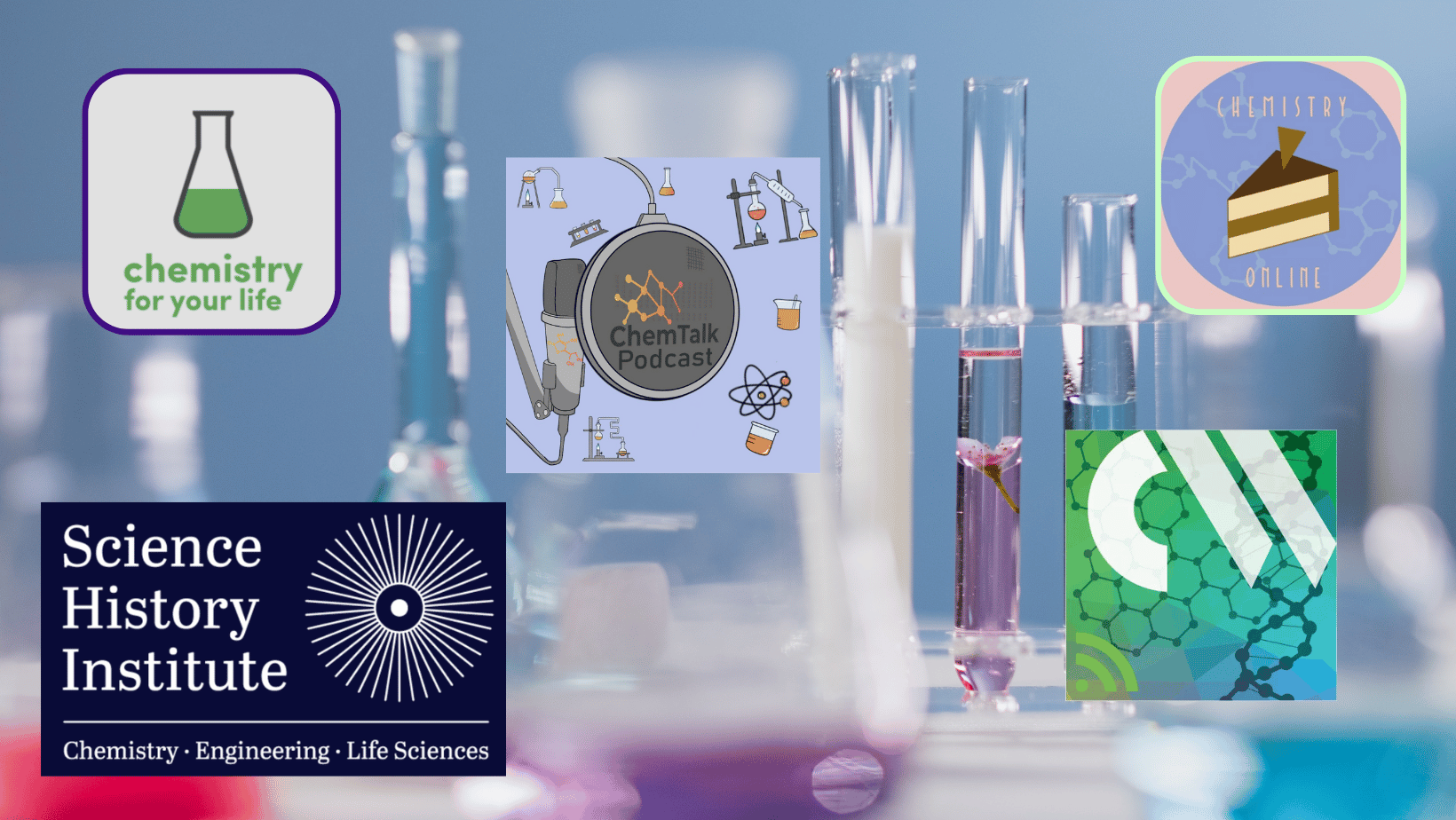
Chemistry for your life: A podcast helping you understand the chemistry of your everyday life
Chemistry in its element: A weekly tour of the periodic table, from Chemistry World, the magazine of the Royal Society of Chemistry
Distillations: Uncovering moments in science-related history
Co-curricular Activities For Success in Chemistry University Applications:
Cambridge Chemistry Challenge (Year 12 only)
Enter an essay competition
We recommend the competitions we run in our co-curricular division, Minds Underground.
Giving a talk at your school’s Chemistry/ Science society, or setting one up if they don’t have one!
Seek out relevant work experience: If you have any relevant work experience, discuss it in your personal statement. This could include internships, volunteer work, or research assistantships
U2 Tuition’s co-curricular division, Minds Underground, host online specialised research projects, with many Chemistry-related options. Gaining research experience can be a valuable opportunity for school students, offering numerous benefits beyond what is typically learned in the classroom. Visit the Research Experience page for more information!
Writing a Chemistry Personal Statement: Oxbridge Applicants Guide
If Oxford is your dream destination for studying this fascinating subject, there are some crucial tips to consider. Here's a breakdown of key elements to enhance your Chemistry personal statement, especially tailored for Oxford.
1. Embrace Depth and Breadth:
Oxford values not just your depth of understanding in chemistry but also your ability to appreciate its broad applications. Showcase both your passion for specific areas of chemistry and your awareness of its interdisciplinary nature.
2. Highlight Research Awareness:
Demonstrate your awareness of cutting-edge research in chemistry. Mention specific projects, studies, or advancements that have caught your attention, showcasing a keen interest in staying updated on the latest developments in the field.
3. Demonstrate Critical Thinking:
Oxford places a strong emphasis on critical thinking and analytical skills. Showcase instances where you've applied these skills in problem-solving, especially in chemistry-related scenarios.
4. Exhibit Your Intellectual Curiosity:
Oxford seeks students who are not only knowledgeable but also intellectually curious. Share instances where you've gone beyond the standard curriculum to explore your interest in chemistry, such as engaging with advanced books, attending seminars, or participating in relevant extracurricular activities.
5. Discuss Your Future Contribution:
Convey a sense of your long-term vision in the field of chemistry. Whether it's contributing to ground-breaking research, advancing technology, or inspiring future generations, Oxford wants to see your commitment to making a meaningful impact.
6. Make Sure You Personal Statement Is An Exciting Springboard For Discussion At Interview
Oxford places significant importance on the interview process, and your personal statement can serve as a crucial catalyst for engaging discussions during this stage. Craft your statement in a way that prompts curiosity, inviting interviewers to delve deeper into your experiences and viewpoints. Incorporate thought-provoking questions or reflections on your experiences, leaving room for insightful conversations. Showcasing your ability to articulate complex ideas and engage in dynamic discussions will not only demonstrate your readiness for the Oxford environment but also set the stage for a compelling interview experience.
Tailoring your statement with these specific considerations for Oxford will help you showcase your suitability for the challenging and enriching academic environment at the University.
Looking for Chemistry Personal Statement Examples?
Below, we have shared a personal statement example for a chemistry degree application. This is a succinct and focused piece, highlighting experiences from engaging with captivating books and podcasts to participating in the UK Chemistry Olympiad. From sugar plastics to sustainability, each facet contributes to a narrative showcasing the dynamic nature of chemistry and the student’s commitment to making a meaningful impact.
Why do you want to study this course or subject?
Chemistry captivates me because it blends curiosity with practical understanding, revealing the structures that underpin both living systems and the materials we rely on. My interest was first sparked by Hugh Aldersey-Williams’ The Most Beautiful Molecule, which transformed abstract molecular structures into something elegant and tangible. His narrative style helped me appreciate how chemistry provides explanations for phenomena that are otherwise hidden from view.
My motivation deepened when I discovered Dr Karen Wooley’s work on sustainable sugar plastics through a ChemTalk podcast episode. The idea that sugars, so familiar in everyday life, could be engineered into biodegradable plastics highlighted the discipline’s potential to address global environmental challenges. This connection between molecular manipulation and large-scale impact is what excites me most about pursuing chemistry at degree level.
A lecture I attended on sustainability in chemical research further expanded my interest, demonstrating how green chemistry principles are reshaping industry practices. Seeing how theoretical frameworks evolve into practical, responsible applications confirmed my desire to study chemistry so I can contribute to scientific solutions that prioritise sustainability and innovation.
How have your qualifications and studies helped you to prepare for this course or subject?
Motivated by Dr Wooley’s research, I collaborated with peers on a project exploring the synthesis and properties of sugar-based plastics as an alternative to conventional polymers. This hands-on work strengthened my understanding of chemical processes and allowed me to see how small molecular changes create measurable differences in material behaviour.
Participating in the UK Chemistry Olympiad helped me refine my problem-solving abilities, challenging me to apply concepts beyond the curriculum. It encouraged me to think analytically and creatively, skills that I know are essential for degree-level study.
Running my school’s Chemistry Society has also prepared me for studying the subject in greater depth. Organising talks, leading discussions, and fostering a collaborative space for students interested in chemistry has enhanced my ability to communicate complex ideas clearly. Alongside this, debating has further developed my critical thinking and confidence in expressing scientific arguments concisely.
Together, these experiences have strengthened not only my subject knowledge but also the intellectual discipline and curiosity needed to thrive on a chemistry course.
What else have you done to prepare outside of education, and why are these experiences useful?
Taking part in debates, running a school society, and collaborating on independent science projects have all taught me how to balance different responsibilities and work effectively with others’ skills, which I know will be essential at university. These roles have helped me become more organised, resilient, and confident in managing my time.
Contributing to group projects has shown me the value of communication and shared problem-solving, especially when navigating unexpected challenges in experimental work. Leading Chemistry Society initiatives has given me experience in planning events and encouraging engagement, skills that I look forward to bringing to university communities.
Through these activities, I have developed independence, initiative, and a strong sense of responsibility, qualities that will support me both academically and personally as I transition to university life.
In conclusion, writing a strong Chemistry degree personal statement requires careful planning, organisation, and attention to detail. A successful Chemistry personal statement should demonstrate your passion for the subject, showcase your academic achievements, highlight your relevant experiences, and emphasise your skills. By following these guidelines and taking the time to craft a well-written and compelling personal statement, you can increase your chances of being accepted into the Chemistry degree of your choice. Remember to proofread your statement carefully, seek feedback from others, and let your unique voice and personality shine through. Good luck with your application!
Are You Looking For an Chemistry Personal Statement Tutor or Support with Your Wider Oxbridge Chemistry Application?
U2 Tuition specialises in Top UK University/ Oxbridge preparation, with a team of 700+ Oxbridge-educated tutors. We offer personal statement preparation with our Oxbridge Chemistry tutors, who host live sessions brainstorming ideas, helping with drafts etc. We also offer offline personal statement reviews for those with a full draft already complete.
Our experienced Oxbridge-educated tutors are experts in their field and have a proven track record of success in helping students achieve their goals and gain admission to some of the top universities in the UK. We also offer admissions test and interview preparation for those applying to Oxbridge and also top Russell Group Universities who interview such as Imperial.
Visit our Personal Statement page for more detail on how we can support.
Sessions from £75/h + VAT.